
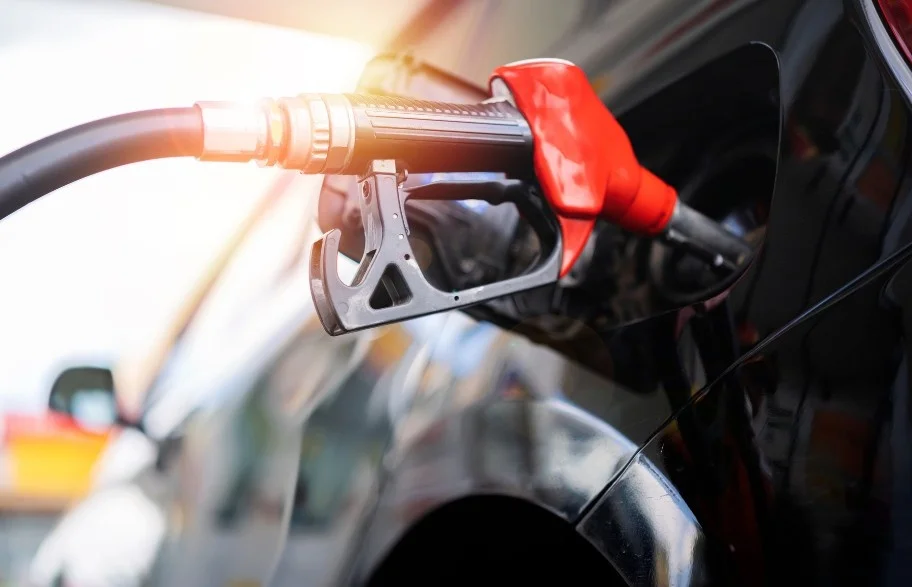
Fuel prices continue to rise, making fuel efficiency more important than ever for vehicle owners. While many people focus on buying fuel-efficient vehicles, the truth is that driving habits play a major role in determining how much fuel a car consumes. Smart driving techniques can help reduce fuel consumption, lower running costs, and extend the life of your vehicle.
By making a few simple changes to the way we drive, we can save a significant amount of fuel every month. Whether we drive daily for work, business, or personal travel, adopting smart driving habits can improve fuel economy and make every trip more cost-effective.
Why Fuel Efficiency Matters
Fuel efficiency is not just about saving money. A fuel-efficient vehicle produces fewer emissions and reduces the environmental impact of driving. When we use less fuel, we also reduce wear and tear on important vehicle components such as the engine, brakes, and transmission.
Smart driving helps us:
These benefits make fuel-efficient driving an essential skill for every vehicle owner.
Avoid Rapid Acceleration
One of the biggest causes of excessive fuel consumption is aggressive acceleration. Pressing the accelerator too hard forces the engine to work harder and burn more fuel.Instead of quickly speeding up after every stop, accelerate gradually and smoothly. Maintaining a steady increase in speed allows the engine to operate more efficiently and use less fuel.Smooth acceleration can improve fuel economy significantly, especially during city driving, where frequent stops are common.
Maintain a Consistent Speed
Constant changes in speed waste fuel. Frequent acceleration and braking force the engine to work harder and increase fuel consumption.Whenever possible, maintain a steady speed. On highways, using cruise control can help keep the vehicle moving at a constant pace, reducing unnecessary fuel usage.Driving smoothly not only saves fuel but also creates a more comfortable driving experience.
Avoid Excessive Idling
Many drivers leave their engines running while waiting in parking lots, outside schools, or during short stops. Excessive idling consumes fuel without moving the vehicle.Modern vehicles are designed to restart easily. If you expect to stop for more than a minute, turning off the engine can help save fuel.Reducing idle time is one of the simplest ways to improve overall fuel efficiency.
Keep Tire Pressure Correct
Underinflated tires create more rolling resistance, making the engine work harder. This results in increased fuel consumption.Check tire pressure regularly and maintain the recommended levels specified by the vehicle manufacturer.
Proper tire pressure provides:
A simple tire pressure check can make a noticeable difference in fuel savings.
Reduce Unnecessary Weight
Extra weight in a vehicle requires additional energy to move. Carrying unnecessary tools, luggage, or equipment can increase fuel consumption.Remove items that are not needed for daily driving. Keeping the vehicle lighter allows the engine to operate more efficiently.For drivers who regularly transport heavy loads, organizing cargo and removing unused items can contribute to better fuel economy.
Plan Routes Efficiently
Traffic congestion and longer routes increase fuel consumption. Smart route planning helps avoid unnecessary driving and reduces time spent in traffic.Before starting a journey, check traffic conditions and choose the most efficient route. Combining multiple errands into one trip can also save fuel.Efficient route planning reduces engine running time and minimizes fuel waste.
Use Air Conditioning Wisely
Air conditioning increases engine load and can affect fuel economy, especially during city driving.Use the air conditioner only when necessary. During moderate weather conditions, opening windows at lower speeds may help reduce fuel consumption.However, at highway speeds, open windows can create aerodynamic drag. In such cases, air conditioning may actually be the more efficient option.
Maintain Your Vehicle Regularly
Regular maintenance plays a major role in fuel efficiency. A poorly maintained vehicle often consumes more fuel than necessary.
Important maintenance tasks include:
A well-maintained vehicle performs better and uses fuel more efficiently.
Shift Gears Properly
For manual transmission vehicles, gear selection has a direct impact on fuel consumption.Driving in a lower gear than necessary causes the engine to operate at higher RPMs, increasing fuel usage. Shift gears smoothly and at the appropriate engine speed.For automatic vehicles, avoid sudden acceleration that forces unnecessary downshifts.Proper gear usage helps maximize fuel efficiency and improve vehicle performance.
Avoid High Speeds
Driving at very high speeds significantly increases fuel consumption due to aerodynamic resistance.Most vehicles achieve optimal fuel efficiency at moderate highway speeds. As speed increases, the engine must work harder to overcome air resistance.Reducing speed slightly during long highway journeys can lead to noticeable fuel savings over time.
Use Smart Braking Techniques
Hard braking wastes energy and often leads to additional acceleration afterward.Instead, anticipate traffic conditions ahead and slow down gradually. Maintaining a safe following distance allows more time to react and reduces unnecessary braking.Smart braking improves fuel efficiency while enhancing road safety.
How Vehicle Protection Helps Maintain Long-Term Value
While fuel-saving techniques reduce running costs, protecting the vehicle’s appearance helps maintain its long-term value. At Detailing Bull, we provide premium automotive protection and customization services that help keep vehicles looking their best.
Vehicle owners can explore professional solutions such as:
Combining smart driving habits with professional vehicle care helps maintain both performance and resale value.
Common Fuel-Saving Mistakes to Avoid
Many drivers unknowingly waste fuel through everyday habits. Some common mistakes include:
Avoiding these habits can significantly improve fuel economy over time.
Conclusion
Saving fuel does not require major changes or expensive modifications. Smart driving techniques can make a substantial difference in fuel consumption and vehicle operating costs. By accelerating smoothly, maintaining steady speeds, reducing idling, keeping tires properly inflated, and following regular maintenance schedules, we can maximize fuel efficiency and enjoy more economical driving.
Small improvements in driving habits add up over time, resulting in significant savings while also helping preserve vehicle performance and reliability.
Frequently Asked Questions (FAQs)
1. What is the easiest way to save fuel while driving?
Maintaining a steady speed, avoiding sudden acceleration, and reducing unnecessary idling are some of the easiest ways to improve fuel economy.
2. Does tire pressure affect fuel consumption?
Yes. Underinflated tires increase rolling resistance, causing the engine to use more fuel.
3. Can regular vehicle maintenance improve fuel efficiency?
Absolutely. Clean air filters, fresh engine oil, proper wheel alignment, and well-maintained components help optimize fuel consumption.
4. Is driving slower better for fuel economy?
Moderate speeds generally provide the best fuel efficiency. Extremely high speeds increase aerodynamic drag and fuel usage.
5. How much fuel can smart driving save?
Fuel savings vary based on driving habits and vehicle type, but smart driving techniques can significantly reduce overall fuel consumption and operating costs.
