
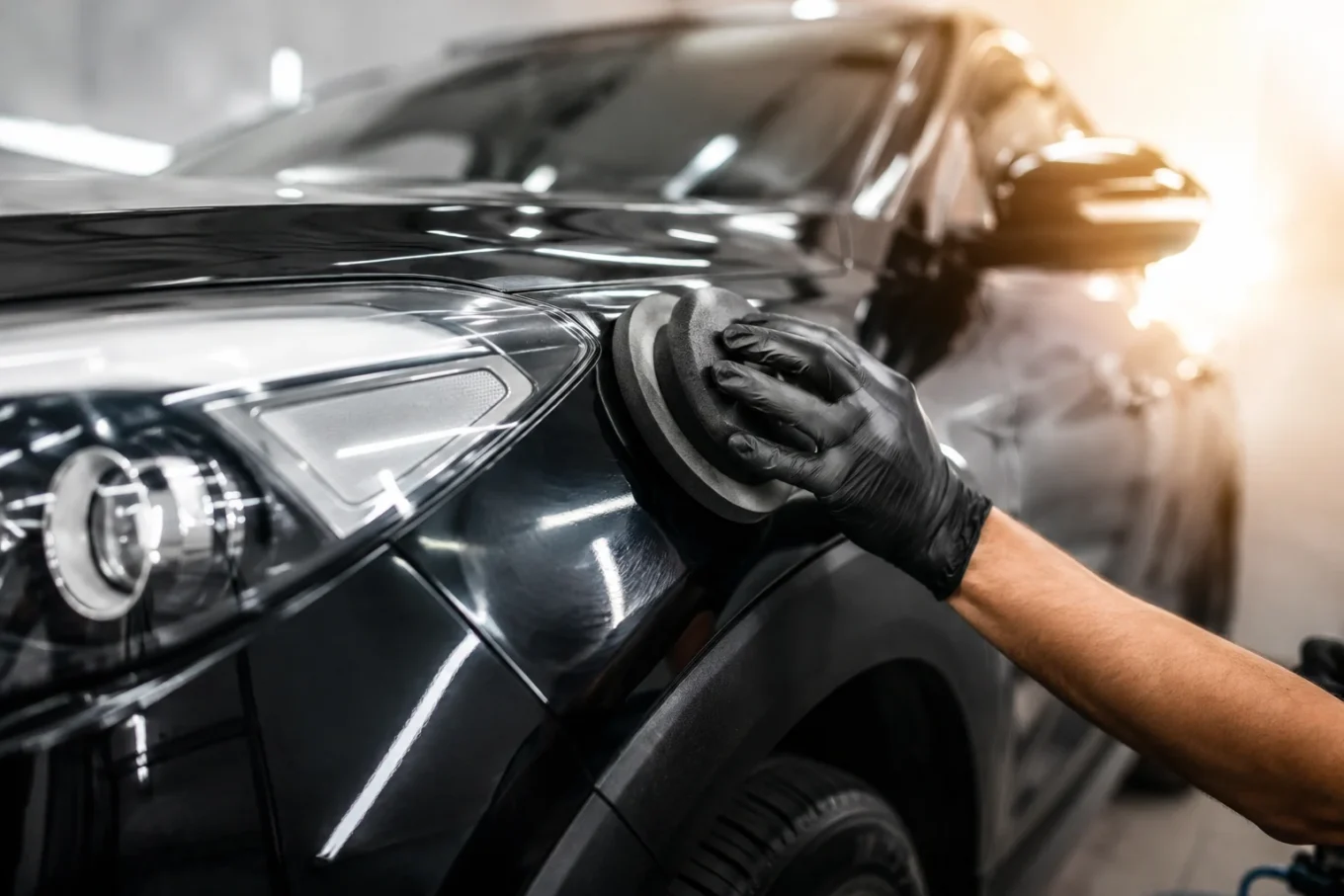
A well-maintained car always looks attractive and reflects the care of its owner. Over time, a car’s paint may lose its shine because of dust, sunlight, pollution, road dirt, and minor scratches. One simple and effective way to improve the look of car paint is by using car rubbing polish.
Car rubbing polish helps remove light scratches, oxidation, swirl marks, and dullness from the surface of the paint. It restores smoothness and improves the shine of the car. In this article, we explain what car rubbing polish is, how it works, when to use it, and how it differs from waxing and polishing.
What Is Car Rubbing Polish?
Car rubbing polish is a moderate abrasive chemical used on a car’s painted surface to erase surface-level defects. It works by gently smoothing the top layer of paint, which helps decrease the appearance of scratches, stains, and oxidation.
Unlike ordinary car wax, rubbing polish focuses on correcting the paint surface. After using rubbing polish, the paint usually appears smoother, cleaner, and shinier.
Common Issues Car Rubbing Polish Can Fix
Benefits of Car Rubbing Polish
Using car rubbing polish can improve both the appearance and condition of your vehicle’s paint.
Some of the main benefits include:
When Should We Use Car Rubbing Polish?
Car rubbing polish is useful when the paint surface has visible minor defects. We can use it in the following situations:
Important: Car rubbing polish should not be used frequently on the same area because it removes a very thin layer of paint. Deep scratches that expose the primer or metal usually require professional repair.
How to Apply Car Rubbing Polish
Applying car rubbing polish correctly is important to avoid damaging the paint. Follow these simple steps:
Wash the Car Thoroughly
Remove dust, dirt, and mud from the car before applying polish. A clean surface prevents additional scratches during polishing.
Dry the Surface
Use a clean microfiber cloth to dry the car completely. Polishing a wet surface may reduce the effectiveness of the product.
Apply a Small Amount
Put a small amount of rubbing polish on a soft applicator pad or microfiber cloth.
Rub Gently in Circular Motions
Work on a small section at a time. Apply gentle pressure and move the applicator in circular or straight-line motions, depending on the product instructions.
Buff the Surface
After polishing, buff the area with a clean micro fiber towel. It cleans off the residue and displays the luster below.
Inspect and Repeat if Needed
Look at the treated surface in good light. If you can still see the scrape or dullness, repeat the process carefully.
Apply Protection
After rubbing polish, apply wax, paint sealant, or ceramic coating to protect the restored surface.
Difference Between Rubbing Polish, Polish, and Wax
Product
Purpose
Rubbing polish
Removes minor scratches, oxidation, and surface defects.
Polish
Enhances gloss and smoothness after correction.
Wax
Adds a protective layer and improves shine.
Rubbing polish is mainly used for paint correction, while wax is used for protection. Many car care routines use both products in sequence for the best result.
Tips for Safe Use
Professional Car Detailing Services
For the best paint correction and long-lasting protection, professional detailing services are often the safest choice. At Detailing Bull, we provide expert solutions such as paint protection film for cars, ceramic coating, graphene coating, hydrodipping, body kit installation, body shop services, and denting and painting. These services help maintain the shine, protection, and overall appearance of your vehicle, while also improving its long-term value.
How Often Should We Use Car Rubbing Polish?
The frequency of using car rubbing polish depends on the condition of the paint. In most cases, using it once or twice a year is sufficient for regular maintenance. If the car is exposed to harsh conditions or develops visible swirl marks, it may need more frequent correction.
However, do not use it excessively, as rubbing polish takes off a little of the clear layer each time. Regular cleaning and appropriate drying, along with protective coatings, might lessen the need for frequent polishing.
Choosing the Right Car Rubbing Polish
When selecting a rubbing polish, consider the following factors:
Conclusion
Car rubbing polish is an excellent way to restore the sheen and smoothness of a car’s paint. It helps to eliminate tiny scratches, swirl marks, oxidation, and dullness, and makes the vehicle look cleaner and more lovely. Rubbing polish may work wonders on your car’s appearance if used correctly and not abused.
Achieve the greatest results by combining rubbing polish with sophisticated detailing services such as ceramic coating, graphene coating, or paint protection film for long-lasting results and expert paint care. When applied properly and maintained regularly, your automobile will look lustrous and well-kept for years.
Frequently Asked Questions (FAQs)
1. What is car rubbing polish used for?
Car rubbing polish removes tiny scratches, swirl marks, oxidation, water spots and dullness from a car’s painted finish.
2. Can rubbing polish remove deep scratches?
No, rubbing polish is effective mainly for light surface scratches. Deep scratches that expose the primer or metal usually require professional repair.
3. How often should we use car rubbing polish?
It is a good practice to use rubbing polish once or twice a year depending on the paint’s condition.
4. Is rubbing polish the same as wax?
No, polish rubbed in will fix surface defects, wax will give a protective coating and increase luster.
5. Should we apply wax after rubbing polish?
Yes, rubbing polish and then wax or another protective coating will protect the paint you’ve repaired and keep it shiny longer.
