
When you buy a new car, one of the first things you notice is the shine of the paint. That glossy finish is part of what makes your vehicle look premium and attractive. But over time, daily driving exposes your car to scratches, stone chips, UV rays, bird droppings, and other environmental damage.
Because of this, many car owners consider installing paint protection film (PPF). But the big question is: is paint protection film worth it?
In this guide, we will break down how PPF works, its benefits, limitations, cost considerations, and whether it is the right investment for your vehicle.
What Is Paint Protection Film?
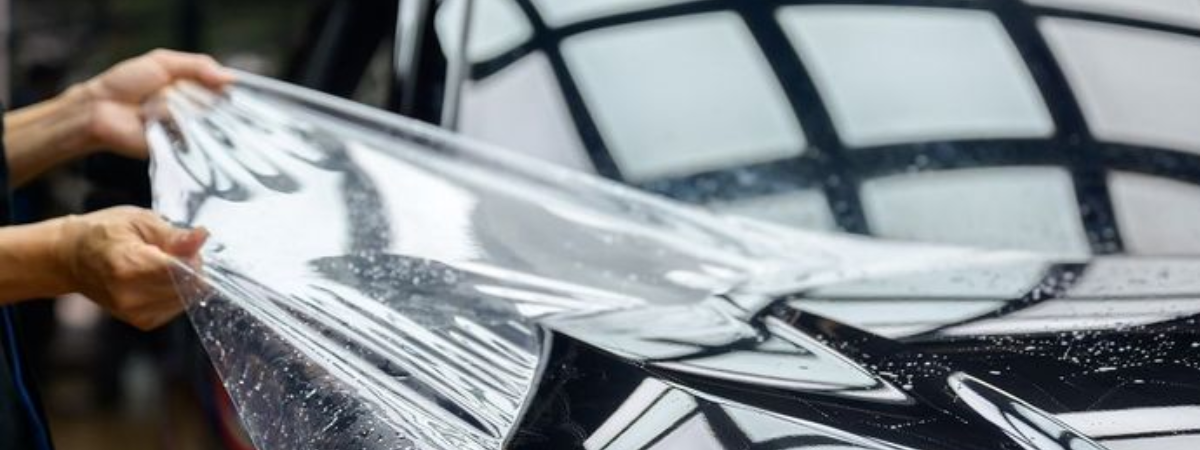
Paint Protection Film (PPF) is a transparent thermoplastic urethane film applied to a vehicle’s painted surfaces. It acts like a protective shield between your car’s paint and the outside environment.
Originally developed for military use to protect helicopter blades from debris, PPF is now widely used in the automotive industry to prevent paint damage. Today’s advanced films include features like self-healing surfaces, UV protection, and hydrophobic properties that help maintain the car’s appearance for years.
Many car owners install vehicle paint protection film on high-impact areas like the front bumper, bonnet, mirrors, door edges, and fenders, where damage is most likely.
Why Car Owners Choose Paint Protection Film
Car paint is constantly exposed to external threats. From road debris to harsh weather, your vehicle’s exterior faces multiple risks every day.
A vehicle paint protection film works as a sacrificial layer that absorbs minor damage before it reaches the original paint.
Protection Against Scratches and Stone Chips
Self-Healing Technology
Protection From UV Rays and Chemical Damage
It also protects against contaminants such as:
These substances can damage the clear coat if left untreated.
How Long Does Paint Protection Film Last?
One important factor when deciding whether paint protection film is worth it is durability.
Most high-quality PPF products last 5 to 10 years, depending on the brand, driving conditions, and maintenance.
Proper care can extend the lifespan of the film. Regular washing, avoiding harsh chemicals, and using safe detailing techniques help maintain its clarity and protective properties.
However, like any protective product, PPF is not permanent and may eventually require replacement.
Benefits of Installing PPF on Your Car
1. Keeps the Original Paint Safe
Factory paint is often more durable and valuable than repainting. PPF helps preserve that original finish by preventing damage from daily driving.
2. Improves Resale Value
Cars with well-maintained original paint often sell for higher prices. Since PPF protects the paint underneath, it can help maintain resale value.
3. Easier Cleaning and Maintenance
Many modern films are hydrophobic, meaning water and dirt slide off easily. This makes the car easier to wash and reduces the chances of stains forming on the paint surface.
4. Custom Finish Options
PPF is available in multiple finishes such as gloss, matte, or satin. This allows car owners to enhance the appearance of their vehicles while still protecting the paint.
5. Long-Term Cost Savings
Although installation can be expensive initially, it can reduce the need for paint repairs, polishing, and repainting over time.
Limitations of Paint Protection Film
While PPF offers excellent protection, it is important to understand its limitations.
High Initial Cost
One of the biggest drawbacks of PPF is the price. Full-body coverage can cost anywhere from ₹40,000 to several lakhs, depending on the vehicle and film quality.For some car owners, this cost may be difficult to justify.
Installation Quality Matters
Proper installation is crucial. Poor installation can lead to visible edges, air bubbles, or peeling film.This is why it is always recommended to get ppf coating for a car applied by experienced professionals.
Not Indestructible
PPF protects against minor scratches and chips, but it cannot prevent major dents or accidents.Severe impacts can still damage both the film and the paint underneath.
Is PPF Worth It for New Cars?
For new vehicles, PPF is often considered a smart investment.New car paint begins to experience wear and fading within a few years of regular driving. Installing protection early helps preserve the factory finish.
This is especially useful if:
In these situations, installing vehicle paint protection film can significantly reduce long-term paint damage.
Is PPF Worth It for Used Cars?
The answer depends on the condition of the paint.PPF must be installed on smooth surfaces. If the paint already has scratches or chips, paint correction may be required before installation.
For older cars with heavily worn paint, the cost of PPF may not always make sense compared to repainting.However, if the vehicle is in good condition and you want to preserve its finish, it can still be beneficial.
Choosing the Right Installer
Since installation quality plays a major role in performance, choosing the right detailing studio is essential.
Professional installers ensure:
Trusted detailing studios like detailing bull specialize in high-quality installation and advanced protection techniques to ensure long-lasting results.
Should You Install Full-Body or Partial PPF?
Not every car requires full coverage.
Many owners choose partial protection for high-impact areas, including:
This approach reduces cost while still protecting the most vulnerable parts of the car.However, luxury and high-performance vehicles often benefit from full-body coverage.
conclusion
So, is paint protection film worth it?
The answer depends on your priorities.If you care about maintaining your car’s appearance, protecting factory paint, and preserving resale value, PPF is one of the best solutions available.
While it requires an upfront investment, the long-term protection and reduced maintenance costs can make it worthwhile for many car owners.
For new vehicles, luxury cars, or owners who want their vehicle to stay in showroom condition, installing vehicle paint protection film is often a smart decision.
FAQs
1. How long does paint protection film last?
High-quality PPF typically lasts 5 to 10 years, depending on the brand, driving conditions, and maintenance. Regular washing and proper care can help extend its lifespan.
2. Does paint protection film prevent scratches?
Yes, PPF protects against minor scratches, swirl marks, and stone chips. Many modern films also feature self-healing technology that allows small scratches to disappear when exposed to heat.
3. Is PPF better than ceramic coating?
PPF provides physical protection against chips and scratches, while ceramic coating mainly enhances shine and provides chemical resistance. Many car owners combine both for maximum protection.
4. Can PPF damage car paint?
No. When installed and removed correctly by professionals, PPF does not damage the paint. In fact, it helps preserve the original factory finish by acting as a protective barrier.
