
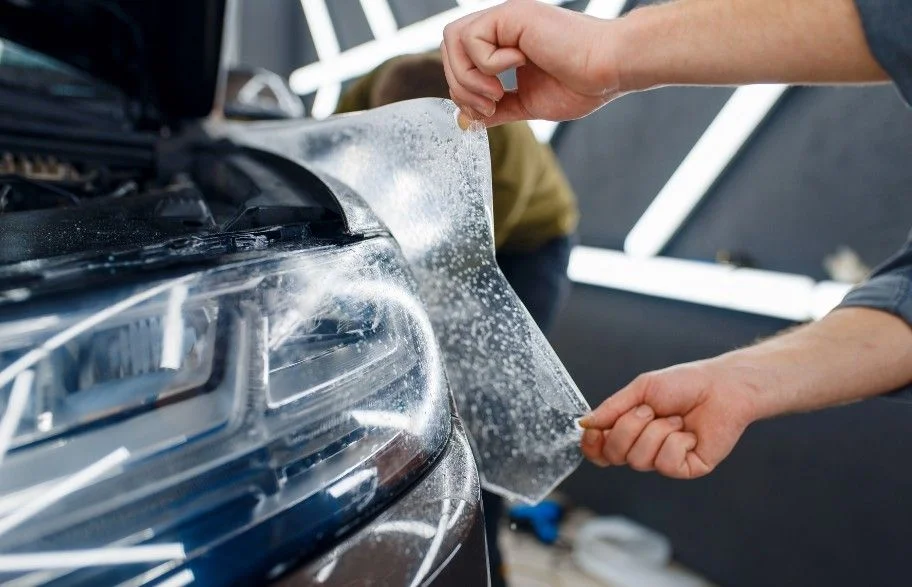
Understanding Paint Protection Film (PPF)
Vehicle owners invest significant time and money in maintaining the appearance of their cars. One of the most effective ways to preserve factory paint is by installing Paint Protection Film (PPF). This transparent protective layer acts as a shield against stone chips, scratches, road debris, bird droppings, UV rays, and environmental contaminants.
Many car owners often ask an important question: Can PPF be removed easily?
The simple answer is yes, but the process depends on the quality of the film, installation standards, age of the film, and removal technique. When removed correctly, high-quality PPF leaves the original paint intact and looking as good as it did when the film was installed.
In this guide, we explain everything about PPF removal, how it works, what to expect, and why professional removal is always recommended.
Can Paint Protection Film Be Removed Easily?
Yes, paint protection film for car applications can generally be removed without damaging the original paint when:
Modern PPF products are designed to be removable. Manufacturers understand that vehicle owners may wish to replace old film, upgrade to a better product, or sell their vehicle in the future.
A properly installed film can usually be removed by carefully heating the surface and peeling the film away from the paint. Professional installers use specialized tools and techniques to ensure a clean removal process.
Why Car Owners Remove PPF
There are several reasons why vehicle owners decide to remove their PPF:
1. Film Has Reached the End of Its Lifespan
Most premium PPF products last between 5 and 10 years depending on the brand, climate, and maintenance. After years of exposure, the film may begin showing signs of wear.
2. Upgrading to a Better Film
Technology continues to improve. Many vehicle owners replace older films with advanced self-healing and hydrophobic PPF products.
3. Vehicle Resale
Some owners remove old film before selling the car to showcase the condition of the original paint.
4. Cosmetic Changes
When modifying a vehicle with a new body kit, repainting certain panels, or changing the vehicle’s appearance, PPF may need to be removed and reinstalled.
5. Damaged Film
Deep scratches, tears, or impact damage may require partial or complete film replacement.
How Is PPF Removed?
Professional removal follows a systematic process to prevent paint damage.
Step 1: Surface Inspection
The installer examines:
This assessment helps determine the safest removal method.
Step 2: Controlled Heating
Heat softens the adhesive beneath the film.
Professionals typically use:
The correct temperature is crucial. Excessive heat can damage paint, while insufficient heat can cause the film to tear.
Step 3: Slow Peeling Process
The film is carefully pulled at a controlled angle. This reduces stress on the paint and minimizes adhesive residue.
Step 4: Adhesive Removal
Any remaining adhesive is cleaned using specialized automotive-safe products.
Step 5: Paint Inspection
After removal, the paint surface is inspected and polished if necessary.
Will Removing PPF Damage Car Paint?
One of the biggest concerns among vehicle owners is paint damage during removal.
In most cases, professionally installed PPF on factory-painted vehicles does not damage paint when removed correctly.
However, issues can occur when:
Factory paint is generally much stronger than aftermarket repaint work. Repainted panels may carry a higher risk during removal because paint adhesion varies depending on preparation and paint quality.
How Long Does PPF Removal Take?
The removal time depends on:
Approximate timelines:
Signs Your PPF Needs Replacement
Watch for these common signs:
Yellowing
Aging film may develop a yellow tint due to UV exposure.
Cracking
Old films can become brittle and lose flexibility.
Lifting Edges
Corners and edges may start peeling away from the surface.
Permanent Stains
Contaminants embedded in the film may become impossible to remove.
Reduced Self-Healing Performance
Premium self-healing films eventually lose some of their recovery capabilities.
When these signs appear, replacement is often the best option.
Can You Remove PPF Yourself?
Technically, yes.
However, DIY removal is not recommended unless you have experience.
Common DIY mistakes include:
Professional removal ensures a safer process and minimizes risks.
For premium vehicles, luxury cars, and performance cars, expert handling is highly recommended.
What Should You Do After PPF Removal?
Once the film has been removed, vehicle owners often choose additional paint protection options.
Ceramic Coating
Many owners apply ceramic coating after removing old PPF. Ceramic coatings create a hydrophobic layer that enhances gloss, makes cleaning easier, and protects against contaminants.
Graphene Coating
Another advanced option is graphene coating, which offers excellent water repellency, slickness, and heat resistance. Many enthusiasts choose graphene technology for long-term paint maintenance.
New Paint Protection Film Installation
The most comprehensive protection remains a fresh installation of paint protection film for car surfaces, especially for high-impact areas such as:
When PPF Removal Is Necessary Before Denting and Painting
If a vehicle requires accident repair or cosmetic restoration, the existing film usually needs to be removed before Denting Painting work begins.
This allows technicians to:
After repairs are completed, new PPF can be installed to protect the freshly restored paint.
About Detailing Bull
At Detailing Bull, we specialize in premium automotive surface protection solutions designed for enthusiasts who demand the highest standards. Our services include professional paint protection film for car installation, ceramic coating, graphene coating, detailing, paint correction, and vehicle enhancement solutions. Whether your vehicle requires protection for daily driving or showroom-level appearance maintenance, our experienced team focuses on precision, quality workmanship, and long-term results. We help vehicle owners preserve their investment while maintaining the original beauty of their cars for years to come.
Benefits of Replacing Old PPF with New Technology
Modern PPF products offer significant improvements compared to older films.
Advantages include:
Replacing aged film can dramatically improve both protection and vehicle appearance.
Final Thoughts
PPF is designed to be removable, making it one of the safest long-term paint protection solutions available today. When installed correctly and removed by professionals, the process is generally smooth and does not damage factory paint. Whether you’re upgrading protection, preparing for resale, installing a new body kit, performing Denting Painting, or switching to a new generation of film, professional PPF removal ensures the best outcome.
For vehicle owners who want maximum paint preservation, replacing old film with modern paint protection film for car solutions remains one of the smartest investments for maintaining appearance, value, and long-term protection.
Learn the truth about can ppf be removed without damaging paint? and discover the right removal process to keep your car’s paint safe and flawless.
Frequently Asked Questions (FAQs)
1. What is the easiest way to save fuel while driving?
Maintaining a steady speed, avoiding sudden acceleration, and reducing unnecessary idling are some of the easiest ways to improve fuel economy.
2. Does tire pressure affect fuel consumption?
Yes. Underinflated tires increase rolling resistance, causing the engine to use more fuel.
3. Can regular vehicle maintenance improve fuel efficiency?
Absolutely. Clean air filters, fresh engine oil, proper wheel alignment, and well-maintained components help optimize fuel consumption.
4. Is driving slower better for fuel economy?
Moderate speeds generally provide the best fuel efficiency. Extremely high speeds increase aerodynamic drag and fuel usage.
5. How much fuel can smart driving save?
Fuel savings vary based on driving habits and vehicle type, but smart driving techniques can significantly reduce overall fuel consumption and operating costs.
